
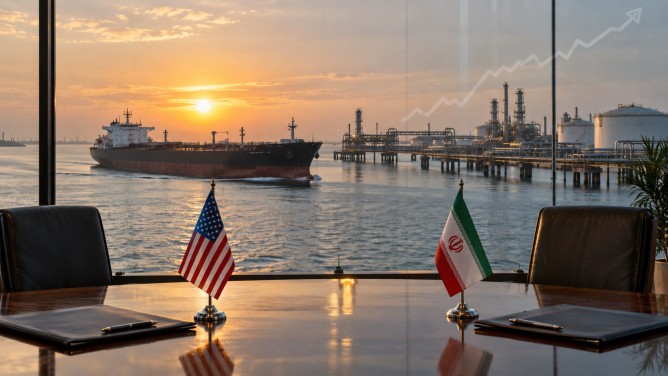
Oil prices have experienced an uptick after several days of downturn, with potential diplomatic talks between the U.S. and Iran looming at the United Nations General Assembly in New York. This development has led to Brent crude futures for November rising by 1.7% to approximately $102 a barrel. Similarly, U.S. West Texas Intermediate (WTI) crude for October saw a 1.7% increase, nearing $97 a barrel, with the November WTI contract showing similar gains.
The market’s attention is currently focused on the possibility of dialogue between the U.S. and Iran, as President Donald Trump expressed openness to meeting Iranian President Masoud Pezeshkian during the UN event. Such talks could potentially influence geopolitical tensions and affect global oil supply dynamics.
In the Middle East, oil prices are further influenced by ongoing regional tensions. The Strait of Hormuz has seen an increase in oil shipments, particularly from Saudi Arabia, which has ramped up exports following disruptions in its East-West pipeline. However, the situation remains delicate as attacks by Yemen’s Iran-aligned Houthi group continue to add to the region’s uncertainty.
China has stepped in, urging Iran to help defuse these tensions, particularly encouraging a reduction in Houthi attacks against Saudi interests. This diplomatic effort highlights the broader international concerns surrounding stability in the oil-rich region.
Compounding the situation, Libya faces its own challenges, as an armed group reportedly shut a valve on the Sharara crude pipeline. This action has led to a significant drop in production, with the country’s major oilfield output falling by around 200,000 barrels per day.