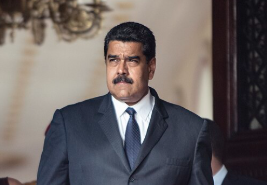
Conservative Latin American leaders have embraced the term “narco-Chavista” to describe Venezuelan government officials, framing their support for the United States military operation in terms of combating criminal networks rather than political intervention. Ecuador’s President Daniel Noboa stated that “time was coming for all the narco-Chávista criminals” following Saturday’s strikes.
The terminology combines references to drug trafficking with the Chavista political movement founded by Hugo Chávez, seeking to delegitimize the entire Venezuelan government structure as criminal rather than political. This framing aligns with the Trump administration’s emphasis on drug trafficking charges against captured President Nicolás Maduro.
Argentina’s Javier Milei avoided the narcotics framing entirely in his celebration of the operation, instead posting about liberty advancing. The different rhetorical strategies among conservative supporters reflect varying approaches to justifying military intervention—some emphasizing law enforcement, others focusing on political ideology.
US Attorney General Pam Bondi has announced that Maduro and his wife Cilia Flores will face drug trafficking charges in New York, with Secretary of State Marco Rubio confirming the charges relate to narcotics operations. President Trump stated the couple is currently aboard a ship being transported to the United States for prosecution.
The international response has been characterized by widespread condemnation from major powers and international organizations, with progressive Latin American leaders warning that the operation undermines sovereignty regardless of criminal allegations. Colombia has mobilized its armed forces in anticipation of refugee flows, while UN Secretary General António Guterres warned of dangerous precedents for international relations.
Narco-Chavista Label Used by Conservative Leaders Supporting Operation