The long-simmering dispute between China and the Philippines turned kinetic on Tuesday as accusations of a “deliberate ramming” flew following a collision at sea. The incident near the Scarborough Shoal, where Chinese forces also used water cannons against a Philippine flotilla, marks a serious and dangerous escalation.
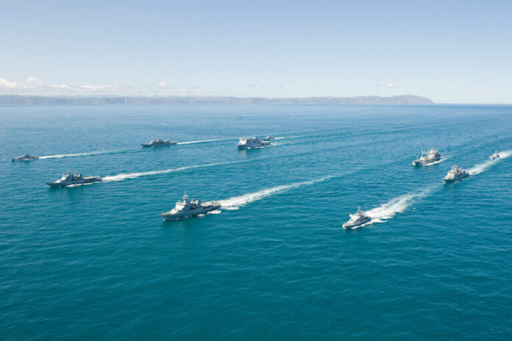
The clash involved more than ten ships from the Philippines that had approached the shoal, a perennial point of contention. The Chinese Coast Guard reported that its units moved to repel the incoming vessels, deploying water cannons in a show of force. The subsequent collision has shifted the dispute from a war of words to a physical encounter at sea.
This flare-up comes less than a week after China declared a part of the shoal, which it calls Huangyan Island, a national nature reserve. The declaration was widely perceived as a strategic move to reinforce its sovereignty claim. The Philippines, which knows the area as Bajo de Masinloc, had planned to formally object to this designation.
Scarborough Shoal is a microcosm of the larger geopolitical struggle in the South China Sea. China’s expansive claims clash with those of several neighboring countries, and the stakes are incredibly high, involving access to vital fishing grounds and the security of key global trade routes.
The international community is not staying silent. A prominent US senator decried China’s recent actions as coercive. The United Kingdom and Australia have also expressed their concerns about the rising tensions. Canada’s embassy in the Philippines issued a sharp rebuke, opposing any attempt to use environmentalism as a justification for seizing control of the disputed territory.
Accusations Fly as China-Philippines Dispute Turns Kinetic