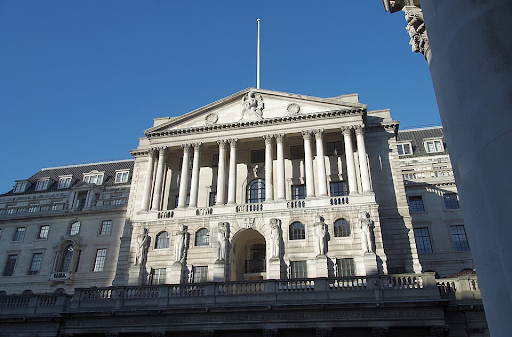
Behind the immediate drama of the 5-4 vote lies a deeper, academic debate about the “neutral rate” of interest. For over a decade after 2008, we lived in a world of near-zero rates. The Bank of England’s cut to 3.75% raises the question: where is the bottom? Governor Bailey’s “closer call” comment suggests we might be nearing it, implying that 3% or 3.5% is the new normal, not 0.5%.
This shift would change everything for the UK economy. It implies that the era of “free money” is gone forever. Businesses that only survived because of cheap loans will go bust. Homeowners will have to dedicate a permanently higher chunk of their income to mortgage payments. The “neutral rate”—the rate that neither stimulates nor slows the economy—seems to have shifted upwards.
The dissenters on the MPC likely believe the neutral rate is higher than before because of structural inflation drivers like deglobalization and labor shortages. They are reluctant to cut too deep because they don’t think the economy can handle low rates without overheating.
If 3.75% is close to the floor, then the “relief” promised by the Chancellor is limited. We are moving from “restrictive” to “neutral,” not to “stimulative.” This means the boost to growth will be modest, explaining the flat GDP forecasts for late 2025.
Investors and pension funds need to adjust to this reality. The strategies that worked in the 2010s won’t work in the late 2020s. The rate cut is a calibration, not a reset. We are landing on a new, higher plateau.
The “Neutral Rate” Debate: Are We Heading Back to 2% or is 3.75% the New Normal?