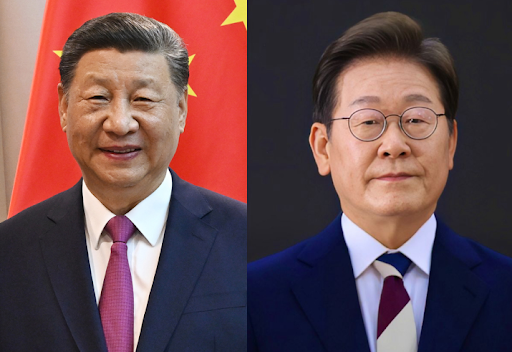
The lingering ghost of the 2017 THAAD missile dispute hung over Chinese President Xi Jinping’s visit to Seoul, a stark reminder of the geopolitical vise squeezing South Korea. President Lee Jae Myung’s summit with Xi, coming just after a visit from U.S. President Trump, exposed the deep contradictions at the heart of South Korean foreign policy.
President Lee was forced to address the THAAD issue directly, a U.S.-deployed system on South Korean soil that Beijing vehemently opposes. This single issue perfectly captures Seoul’s dilemma: it relies on the U.S. for security against North Korea, but doing so angers China, its largest economic partner. Lee also raised Chinese sanctions on a U.S.-linked firm, another issue where Seoul is caught in the middle.
This delicate diplomatic dance was further complicated by events on the ground. Hundreds of protesters rallied in Seoul to voice their opposition to Chinese influence, creating an uncomfortable backdrop for the state visit. Lee, who has attempted to quiet such demonstrations, was confronted with the reality of public anger.
Lee’s agenda also included a desperate plea for China to help manage North Korea. He urged President Xi to assist in restarting dialogue with Pyongyang. This hope was quickly dashed. North Korea itself responded almost immediately, calling the attempt a “pipe dream” and rejecting any notion of talks facilitated by the South.
While Seoul wrestled with these strategic nightmares, Beijing focused on the positives. Chinese state media ignored the protests and the diplomatic failures, instead trumpeting the signing of seven new economic agreements, including a currency swap. Xi’s call for “mutual respect” was a clear signal to Seoul to manage its U.S. alliance carefully, leaving Lee with an impossible balancing act.
THAAD, Trump, and Tensions: Xi’s Seoul Visit Highlights Korea’s Squeeze