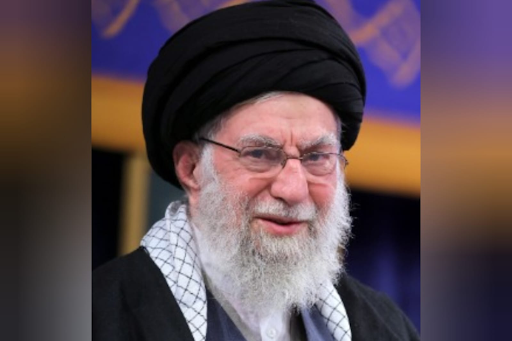
For nearly four decades, one man’s ideological vision determined the fate of more than 90 million Iranians. Ayatollah Ali Khamenei ruled the Islamic Republic with a consistency that his supporters called principled and his critics called rigid — refusing to bend to economic reality, popular demand, or international pressure. That rule ended abruptly on Saturday when US and Israeli airstrikes killed him, leaving a system he had dominated for so long suddenly without its center of gravity.
The signs of how deeply unpopular he had become were visible even in state-controlled spaces. A television journalist covering government-organized rallies accidentally said “death to Khamenei” instead of “death to America” — a slip that cost him his job but crystallized the extent to which the Supreme Leader had become a figure of widespread contempt, even among those whose jobs required public expressions of loyalty.
The Islamic Republic’s security architecture has moved swiftly into survival mode. Paramilitaries and armed police have flooded the streets of Tehran. The constitutional succession machinery has been activated. Key political and military figures have emerged to manage the transition. The system, for now, appears to be functioning — but functioning in a way that emphasizes control over legitimacy.
The IRGC, the powerful military organization that has accumulated enormous political and economic influence over the past two decades, is expected to play a dominant role in determining both the successor and the direction of policy. Its commanders are now among the most consequential decision-makers in Iran, arguably more powerful than the civilian officials who nominally lead the country.
The question of what kind of Iran emerges from this crisis — one that seeks pragmatic accommodation with the world, or one that doubles down on the confrontational posture Khamenei embraced — remains genuinely open. But the iron fist that held the system together is gone, and the pressures it suppressed are now part of the political landscape that Iran’s new leaders must navigate.
Iron Fist No More: The End of Khamenei’s Grip on Iran