

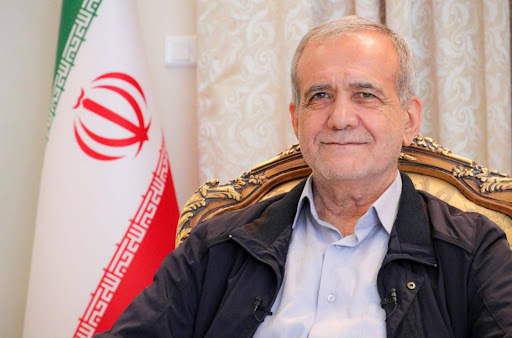
In a bold diplomatic move, Iranian President Masoud Pezeshkian has sent a message to Gulf leaders that directly links their national futures to their stance on hosting enemy military operations. Delivered more than a month into the Iran-US war, the message is one of the clearest signals yet of Tehran’s intent to engage the region politically even as the military conflict continues. Iran is clearly working on multiple fronts to shape the outcome of the war.
The Gulf region has been significantly disrupted by the conflict, with nations including Saudi Arabia, the UAE, Kuwait, Qatar, and Oman experiencing the direct effects of both US military operations launched from their soil and subsequent Iranian retaliatory strikes. Gulf governments are under intense pressure to navigate the crisis without exacerbating the damage to their own populations and economies. The situation has exposed the limitations of existing security frameworks.
Pezeshkian used a post on X to communicate Iran’s firm but restrained military posture, noting that Tehran does not initiate attacks but will respond decisively to any targeting of its infrastructure or economic assets. His appeal to Gulf leaders framed the issue in terms of their own long-term interests, warning that hosting enemy forces amounted to sacrificing their own security and development. The message was designed to be hard to dismiss.
Pakistan’s peace diplomacy has gained momentum, with Prime Minister Shehbaz Sharif serving as a reliable channel between Iran and the broader region. Following his meeting with Pezeshkian, Sharif indicated that Iran sees trust as the essential foundation for meaningful negotiations. Pakistan’s role has been publicly welcomed by Tehran, reinforcing Islamabad’s position as a key diplomatic actor.
A high-stakes diplomatic meeting in Pakistan is gathering foreign ministers from Saudi Arabia, Egypt, and Turkey for consultations on the conflict and potential de-escalation strategies. Their discussions with Pakistani Foreign Minister Ishaq Dar and Prime Minister Sharif are expected to shape the regional diplomatic response to the war. The outcome of the talks could prove critical to the future trajectory of the conflict.
