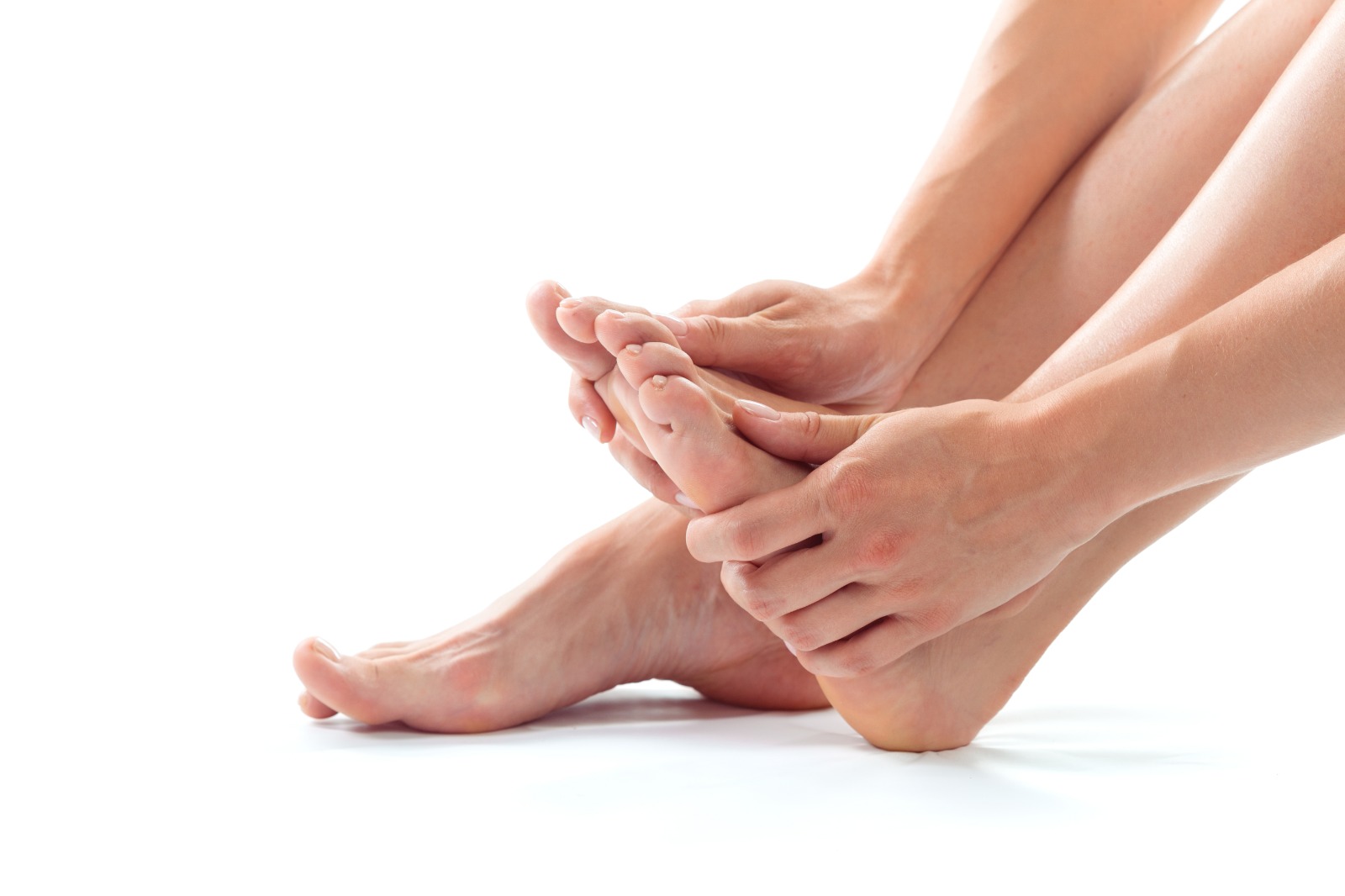
While sedentary desk work has received considerable attention as a risk factor for venous disease, the opposite extreme — jobs requiring prolonged standing throughout the working day — carries its own significant vascular health burden that is less widely discussed. Healthcare workers, retail and service employees, teachers, hairdressers, factory workers, and others who spend the majority of their working hours standing face elevated risks of venous insufficiency that represent both a personal health concern and an occupational health priority.
The mechanism by which prolonged standing damages venous health is subtly different from the mechanism of prolonged sitting. During static standing, the calf muscle pump is not activated — walking and muscle contractions are required to drive venous return, and simply bearing weight without movement does not provide this stimulus. The result is that during prolonged standing, the venous system of the legs operates primarily under the passive force of valvular support, without the powerful assistance of the muscle pump that walking would provide.
Under this static standing load, the pressure in the leg veins is substantially higher than it is during walking. Each hour of static standing loads the venous valves with the full hydrostatic pressure column of blood extending from the ankle to the heart. Over a working day, this sustained pressure load accelerates valve fatigue and degeneration. Over a career of prolonged standing, the cumulative effect on venous valve function is significant, and the elevated prevalence of venous insufficiency in occupations requiring sustained standing reflects this physiological reality.
Workers in standing occupations who develop leg symptoms can substantially reduce their occupational venous risk through several practical strategies. Anti-fatigue mats reduce the static loading on the feet and encourage subtle weight shifting that provides some degree of calf muscle activation. Footwear with adequate heel support and cushioning reduces the impact of prolonged standing on the lower extremity. Deliberately shifting weight between feet, performing calf raises, and taking seated breaks during appropriate opportunities all help to activate venous return during working hours.
Occupational health policies that recognize the vascular health implications of prolonged standing jobs are gradually becoming more sophisticated, incorporating provisions for regular movement breaks, appropriate footwear standards, and access to medical evaluation for workers who develop symptoms. Vascular specialists advocate for greater occupational health investment in this area, noting that prevention of venous disease in standing workers — through relatively inexpensive ergonomic and behavioral interventions — is considerably more cost-effective than treating the complications of advanced venous disease that untreated occupational exposure will eventually produce.
The Impact of Prolonged Standing Jobs on Vascular Health