The gut microbiome — the vast community of bacteria, fungi, and other microorganisms living in your intestines — is increasingly recognised as central to overall health. Keeping it balanced and well-fed is one of the most important things you can do for your digestion, immunity, and even your mental health. And seeds are one of the best foods for doing exactly that.
Three seeds — chia, flax, and basil — have been highlighted by a gastroenterologist for their exceptional ability to support the gut microbiome and keep digestion running efficiently. Here’s what you need to know about each one.
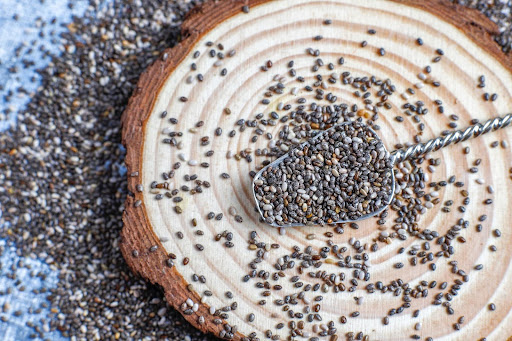
Chia seeds are a prebiotic powerhouse. Their soluble fibre, which forms a gel when soaked, provides fuel for the beneficial bacteria in your gut. A well-fed microbiome is better at fighting pathogens, producing beneficial compounds, and maintaining the integrity of the gut lining. One to two tablespoons soaked overnight in almond milk or yoghurt is the recommended daily amount.
Flaxseeds contribute to microbiome health through their fibre content and anti-inflammatory omega-3 fatty acids. Chronic inflammation disrupts the microbiome, so the anti-inflammatory effects of flaxseeds are particularly valuable. Ground flaxseeds in oatmeal or smoothies, three to four times per week, help create an environment in which beneficial bacteria can thrive.
Basil seeds, or sabja seeds, provide soluble fibre that also feeds the gut microbiome and promotes smooth, comfortable digestion. Their traditional use in Ayurvedic medicine for digestive complaints speaks to their longstanding reputation as gut healers. Combined with chia seeds in a morning bowl or plant-based drink, they create a microbiome-friendly meal that tastes great.
Three Seeds That Support the Gut Microbiome and Keep Digestion Running Smoothly